Coworking space cleaning: what members notice first.
A coworking floor is an office that never empties, shared by people who did not choose each other. The cleaning plan has to be built for that.
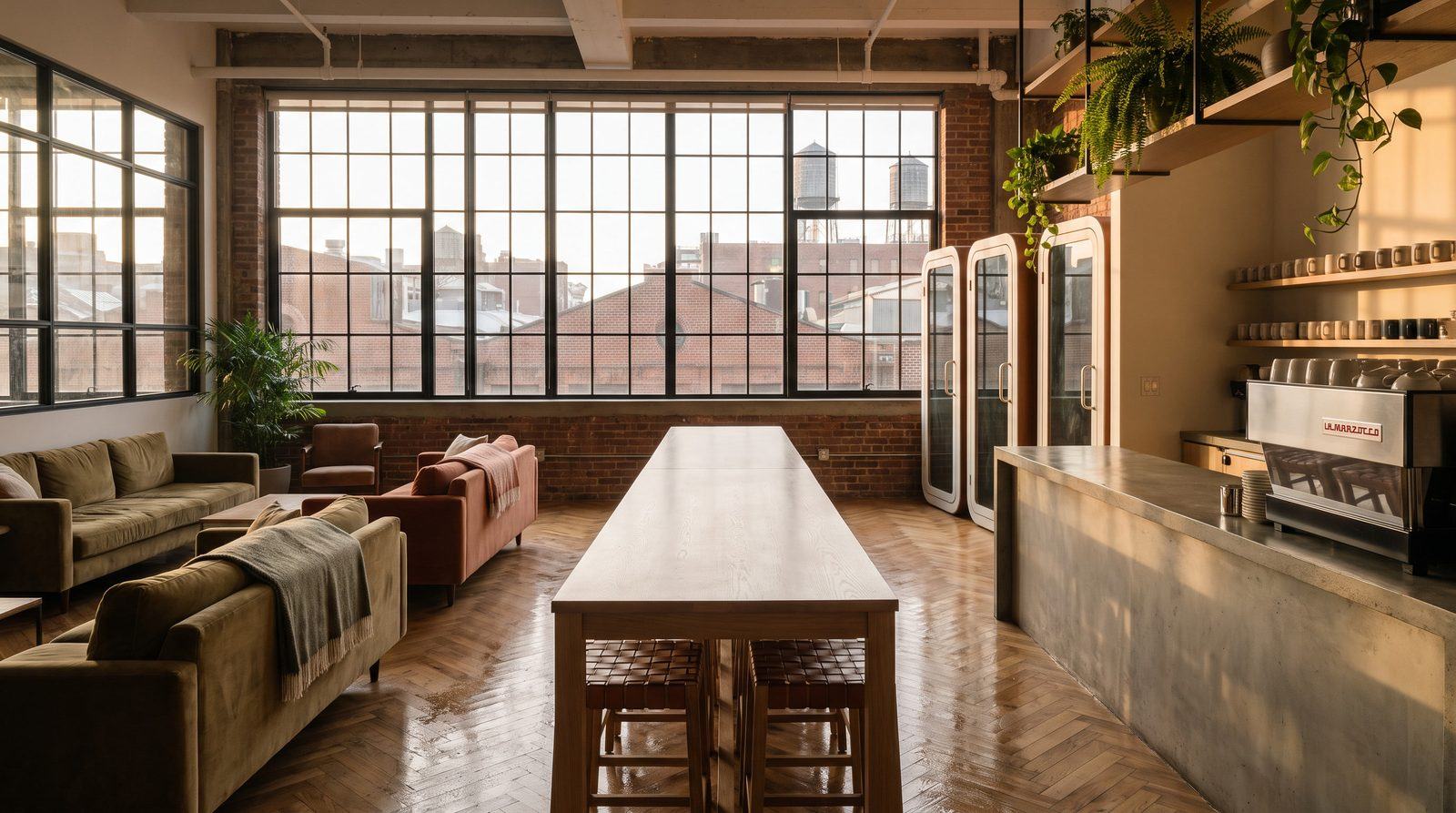
A regular office gets dirty in a predictable way. Same people, same desks, same coffee habit. A coworking floor is different: strangers, hot desks, a kitchen shared by eleven companies, a phone booth used by forty people a day, and a tour walking through at 2 p.m. while the 10 a.m. member's lunch is still on the counter.
The cleaning plan has to be built for that, and most are not. Here is what members actually notice, in order, and what to do about each.
1. Restrooms
The first thing a member notices and the first thing they tell the community manager about. A shared restroom used by a hundred people needs attention every two to three hours during operating hours, not once at night. Stock is the whole game: paper towels, soap, and tissue that run out at 11 a.m. define the space for the rest of the day. This is a porter's job, on a schedule, with a checklist by the door if you want members to see it.
2. The kitchen
Coworking kitchens are used harder than any office kitchen because nobody owns them. Dishes pile up, the fridge fills with abandoned lunches, the counter collects coffee rings from 8 a.m. on. The fix is a porter reset at least twice a day, a weekly fridge purge announced in advance, and a nightly deep wipe including the appliances. Operators who skip the porter and rely on signage learn that signage does not do dishes.
3. Phone booths
Small, enclosed, used back to back. They hold smell, fingerprints, and the last person's crumbs. Booths should be wiped and aired on every porter round and fully cleaned nightly, glass included. Members notice a clean booth more than a clean desk, because they are shut in it.
4. Meeting rooms
Booked back to back, turned over by nobody. A porter turnover between bookings, cups out, table wiped, chairs pushed in, whiteboard left as found, is the difference between a room that feels premium and a room that feels borrowed.
5. Everything else
Desks, floors, lounges, and glass matter, but they come after the four above and they are handled by the nightly crew. The nightly plan for a coworking floor is a regular office plan with more restrooms, more kitchen, and a lounge that gets a real reset.
Scoping it
A well run coworking floor runs two schedules on one plan: a day porter during operating hours, focused on restrooms, kitchen, booths, and turnovers, and a nightly crew that does the full reset. Both are priced by the hour and both flex with membership. When a new company moves onto the floor, the porter hours go up. When summer thins the floor out, they come down. No contract renegotiation, just hours.
Breezy cleans coworking spaces in Manhattan and Brooklyn on exactly that model, with W-2 porters and crews who stay on the account long enough to know which member leaves the kitchen in a state. More on the coworking page.